Shrimp and leftover rice make a quick, restaurant-quality fried rice you can master in under 20 minutes; follow simple steps for perfectly cooked shrimp, fluffy grains, and balanced seasoning.
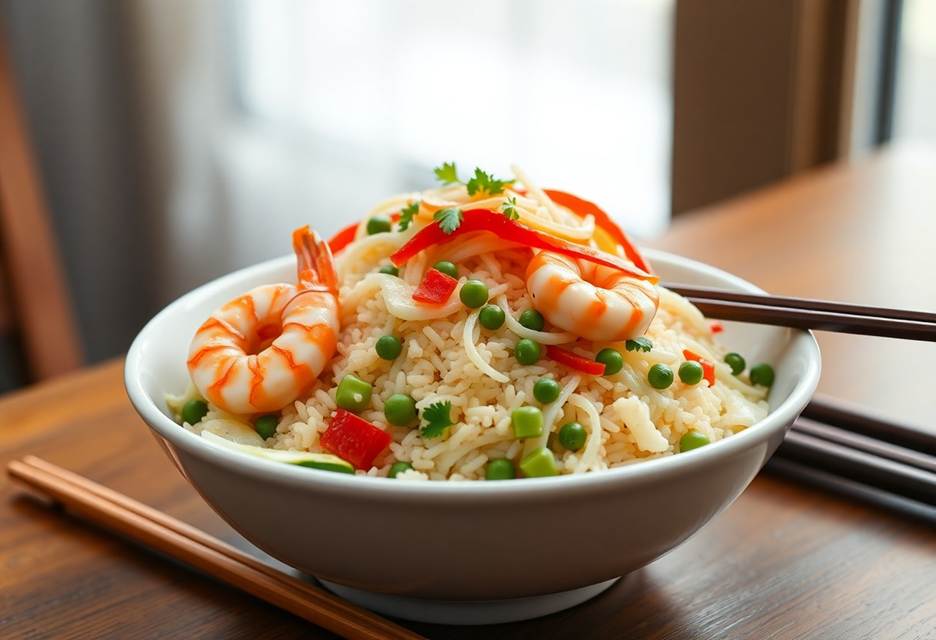
Critical Factors for the Perfect Shrimp Fried Rice
Focus on high heat, day-old rice, minimal stirring, and quick searing so your shrimp stays tender and grains remain separate. Prep ingredients before you start to speed the process. This approach makes weeknight shrimp fried rice fast, flavorful, and reliably textured.
- High heat and quick sear
- Day-old, dry rice for separation
- Prepped aromatics and room-temperature shrimp
Selecting the Optimal Rice Variety
Pick long-grain jasmine or medium-grain rice that stays separate when fried; avoid freshly steamed batches. Chill rice on a tray so you get drier grains that crisp quickly in hot oil.
Choosing High-Quality Shrimp and Aromatics
Opt for peeled, deveined shrimp with firm texture and mild smell; use garlic, green onions, and ginger for layered flavor. Pat shrimp dry so you achieve a quick sear without steaming.
Inspect shrimp size and source so you match texture to the dish; larger shrimp give more presence while wild-caught often offers firmer bite. Layer aromatics by adding garlic early for base flavor, scallions at the end for freshness, and ginger mid-cook for brightness. This order prevents bitterness and keeps each aroma distinct.
Essential Equipment for High-Heat Cooking
Your setup for high-heat cooking should include a carbon steel wok, a powerful burner, and heatproof utensils so you can achieve quick sear, even tossing, and consistent results when whipping up shrimp fried rice.
The Benefits of Using a Carbon Steel Wok
Carbon-steel woks heat rapidly and retain high temperature so you can stir-fry at searing heat, develop crisp edges on shrimp, and build natural seasoning that improves flavor with each use.
Selecting the Right Stir-Fry Utensils
Choose long-handled stainless or wood spatulas and a sturdy ladle so you can toss rice and shrimp safely, maintain wrist clearance, and protect the wok’s seasoned surface during fast stir-frying.
Opt for a thin, slightly flexible spatula for flipping, a slotted spoon for draining, and heat-resistant handles to prevent warping; this mix keeps your technique precise and preserves the wok’s nonstick seasoning under intense heat.
How-To Prepare Your Ingredients for Efficiency
Plan your mise en place so you have chopped ingredients, cooked components, and sauces measured; use day-old rice and prepped shrimp to speed frying and avoid last-minute scrambling.
Cleaning and Seasoning the Shrimp
Peel and devein shrimp, pat them dry, then toss them lightly with salt, pepper, and a splash of soy or lemon so you boost flavor without overpowering.
Prepping the Vegetable and Egg Components
Slice vegetables evenly for quick, consistent cooking; beat eggs lightly and scramble them just until set so you can fold them in at the end and preserve tender texture.
Keep veggies grouped by cook time: trim and dice carrots and onions first, then prepare peppers and mushrooms, thaw peas and pat scallions dry so you add them last; cook eggs in a slick of oil until soft-curdled, transfer to a plate, and return them to the wok at the finish so you maintain silkiness and prevent overcooking.
The Master Cooking Process
Mastering the pan technique lets you finish shrimp fried rice quickly; use high heat, prepped mise en place, and cold day-old rice to prevent clumping while keeping grains separate and glossy.
Searing Protein and Sautéing Aromatics
Sear the shrimp in a smoking-hot pan so you get a golden crust, then toss in garlic and scallions so their aromas bloom without burning-work fast and keep ingredients moving.
Combining Grains and Sauces for Balance
Combine cold rice, soy, oyster sauce, and a splash of sesame oil, and stir briskly so you coat every grain; adjust salt and sugar to hit the right sweet-salty balance for you.
Layer flavors by adding sauces gradually: start with light soy for salt, a dash of dark soy for color, oyster sauce for umami, and a pinch of sugar to round edges; finish with sesame oil and white pepper, tasting as you go so you can refine seasoning and texture.
Expert Tips for Achieving Restaurant-Quality Texture
You can mimic restaurant texture by using cold, day-old rice and a screaming-hot pan to separate grains and add snap. The quick stir and minimal stirring prevent clumping while keeping shrimp tender.
- You use day-old rice for firmer, separate grains.
- You keep ingredients prepped and within reach to move fast.
- The wok must be smoking before you add oil and rice.
Techniques for Preventing Soggy Rice
Drain and spread freshly cooked rice to cool, then refrigerate overnight so you can fry with dry, separate grains that resist clumping.
Mastering the Art of High-Heat Stir-Frying
Heat your wok until it smokes so you can sear shrimp quickly and keep vegetables crisp while preserving rice texture.
Practice preheating the wok until it’s nearly smoking, use a neutral high-smoke-point oil, and work in small batches so you can toss without cooling the pan; you add denser items first, push rice to the sides to create space, sear shrimp briefly at the end, and finish with a quick splash of soy or sesame to bind flavors while preserving that sought-after wok hei.
Flavor Profiles and Regional Variations
Regional styles shift ingredients and techniques, so you can swap soy for fish sauce, add sesame oil or kimchi, and choose jasmine versus short-grain rice to match local taste and texture preferences.
Adjusting Salt and Umami Levels
Calibrate salt so you avoid oversalting; boost umami with soy sauce, a spoonful of oyster sauce, or a splash of fish sauce, tasting as you go to find the right balance.
Incorporating Spicy or Sweet Elements
Balance heat and sweetness to suit your palate; you can add sliced chilies, chili oil, honey, or a touch of hoisin to create contrast without overpowering the shrimp.
Experiment with proportions: scatter thinly sliced bird’s-eye chilies for sharp heat, stir in chili-garlic sauce for deeper spice, or fold in brown sugar, pineapple, or hoisin for sweetness; you should taste and adjust incrementally.
Summing up
You can whip up shrimp fried rice quickly by using day-old rice, high heat, pre-cooked shrimp, and straightforward seasonings; sauté aromatics, scramble eggs, add rice and shrimp, then finish with soy and sesame oil for a balanced, flavorful meal in minutes.